Skip to content

Table of Contents
Thread lifting is one of today’s most in-demand aesthetic solutions. They are renowned for delivering noticeable facial rejuvenation without surgery or extended downtime. PDO threads offer immediate lifting support while encouraging collagen synthesis for longer-lasting firmness. These qualities make PDO threads a powerful option for patients seeking natural-looking results.
Understanding PDO Threads as a Treatment Tool
Polydioxanone threads were originally developed for medical suturing. Later, these were adapted for aesthetic use due to their safety profile and biocompatibility. In cosmetic applications, threads are inserted beneath the skin to produce the following outcomes:
- Improve laxity
- Stimulate collagen production
- Enhance contour
A non-surgical thread lift is most effective when it is customized to the patient’s structural needs. Some patients require subtle tightening, while others benefit from stronger lifting vectors. Thread choice should reflect those differences rather than relying on a single technique for all concerns.
Providers must consider thread length, thickness, barb structure, and placement depth before treating any facial area.
Smooth vs Barbed Threads: Knowing the Difference
Thread selection begins with understanding the purpose of each category.
Smooth threads are designed primarily for skin quality improvement. They help address early aging concerns by triggering collagen remodeling and improving texture.
Barbed or cog threads provide mechanical lifting. They come with directional barbs that come into tissue. This action allows practitioners to reposition sagging structures.
When treating PDO threads for fine lines, smooth threads are often preferred. When targeting PDO threads for sagging skin, barbed threads may be necessary to achieve a visible lift.
Matching thread type to treatment objective is vital to achieve natural outcomes.
Choosing PDO Threads for Cheeks and Midface Support
The midface is one of the most common areas treated with thread lifting. This is because cheek descent contributes significantly to facial aging. Loss of support in this region can deepen folds and flatten youthful contours.
PDO threads for cheeks typically require stronger barbed threads that can lift upward toward the temporal anchoring point. The goal is not only tightening but restoring the midface structure.
PDO thread practitioners typically evaluate:
- The degree of volume loss
- Skin thickness
- Position of the malar fat pad
- Patient expectations for lift versus subtle support
Threads placed too superficially in this area can become visible. On the other hand, overly aggressive tension may distort expression. Balanced vector placement is key.
Jawline Contouring and Lower Face Definition
The jawline is a facial area that presents unique challenges due to frequent motion and gravitational pull. In fact, early jowling is one of the most common aesthetic complaints among aging patients, and thread lifting can provide significant improvement when properly planned.
PDO threads for jawline often require thicker cog threads with strong anchoring capacity. This region benefits from structural support rather than collagen stimulation alone.
Here, practitioners focus on:
- Creating defined mandibular contour
- Supporting laxity near the marionette region
- Avoiding over-tightening that may compromise natural movement
For patients seeking sharper definition without surgery, PDO threads for face treatments in the lower third can deliver noticeable contour enhancement with minimal downtime.
Treating Fine Lines Around the Mouth and Perioral Region
The perioral area ages quickly due to repetitive motion, thinning dermal support, and collagen decline. Thread selection here should prioritize refinement rather than strong traction.
Smooth threads are often ideal for improving skin texture and reducing etched lines. This makes the area well-suited for PDO threads for fine lines, particularly in patients who are not candidates for aggressive lifting.
Practitioners should avoid excessively barbed threads in high-mobility zones. The reason behind this is that anchoring may be less stable and could increase irregularity risk.
Threading in this region works best as part of a broader rejuvenation plan rather than a standalone lift.
Neck Tightening and Skin Elasticity Restoration
Neck aging is often overlooked until laxity becomes pronounced. The skin here is thinner, more delicate, and less forgiving than facial tissue. Thread choice must reflect that anatomical sensitivity.
PDO threads for neck are typically smooth or barbed threads. These are used to improve crepey texture and mild laxity. Cross-hatching placement can stimulate collagen while maintaining a natural appearance.
Providers should be cautious with aggressive lifting in the neck, especially when skin quality is fragile. Subtle tightening and gradual improvement may produce the most aesthetically pleasing results.
Brow and Upper Face Lifting Considerations
The brow region may require precision and restraint. A thread lift administered in this area is often intended to open the eyes slightly. It can also help restore lateral brow height.
Short cog threads can provide effective elevation when anchored properly within the temporal fascia. The goal should remain subtle, preserving expression and avoiding excessive arching.
Upper-face threading is often most appropriate for patients with early descent rather than advanced laxity.
Patient Expectations and PDO Threads Before and After Outcomes
One of the most important clinical responsibilities is setting realistic expectations. Undoubtedly, thread lifts offer improvement, not transformation, and results depend heavily on patient anatomy and tissue quality.
Discussing PDO threads before and after outcomes with patients helps clarify:
- Expected degree of lift
- Timeline for collagen remodeling
- Longevity of outcomes
- Need for maintenance treatments
Patients with mild to moderate laxity typically experience the strongest benefit, especially when threads are combined with supportive skincare or regenerative modalities.
The best PDO thread lift for aging skin is not defined by strength alone. Instead, it is significantly influenced by thoughtful selection and technique tailored to facial structure.
Medbeautiq PDO Threads in Boca Raton, FL
For patients interested in PDO Threads in Boca Raton, FL, Medbeautiq provides personalized care focused on improving fine lines, elasticity, and facial definition through advanced thread lift techniques.
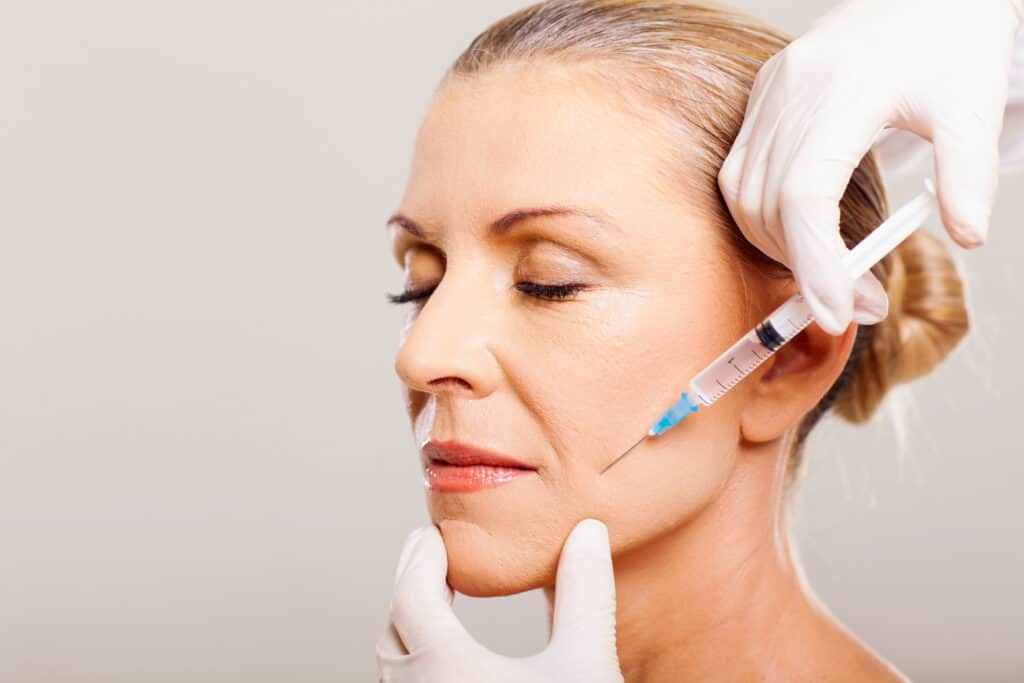
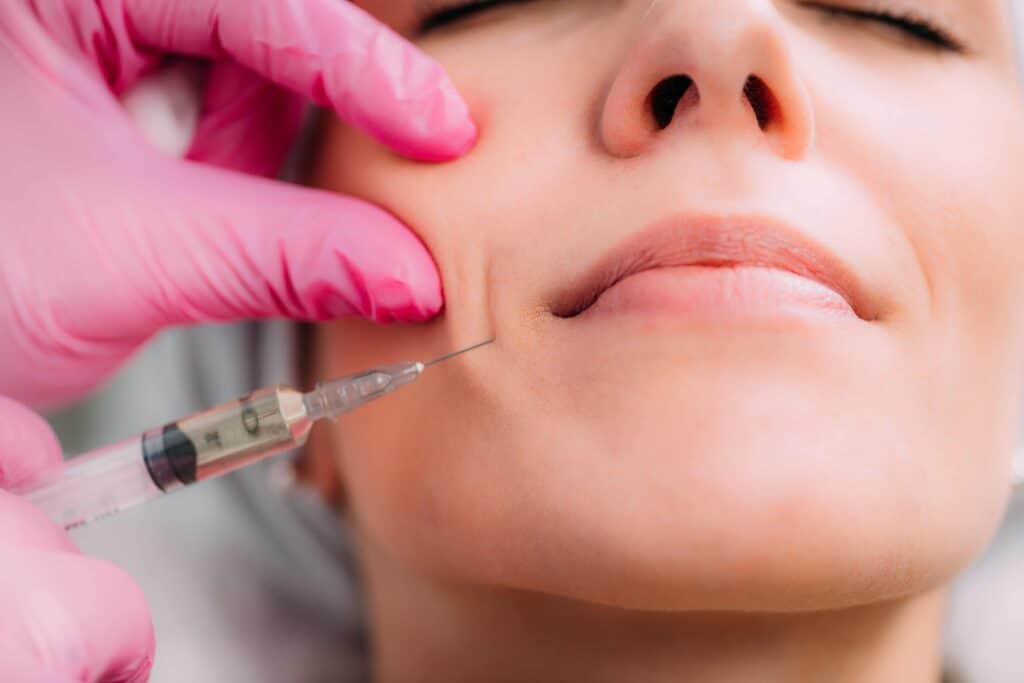
At Medbeautiq, patients can experience professional thread lifting designed to tighten aging facial features without the downtime associated with facelift surgery. During the procedure, tiny needles are used to insert threads beneath the skin. As the threads dissolve naturally, they leave no visible scars behind while continuing to stimulate firmness and improved texture.
Start Your Lift Before Slots Fill.
Frequently Asked Questions
What are PDO threads used for in aesthetic treatments?
PDO threads are used to lift, tighten, and stimulate collagen production to improve facial contours and skin firmness without surgery.
How does a non-surgical thread lift improve sagging skin?
A non-surgical thread lift works by placing dissolvable threads under the skin to provide immediate support while encouraging long-term collagen renewal.
Which facial areas can be treated with PDO threads for face?
PDO threads for face are commonly used on the cheeks, jawline, brows, and around fine lines to enhance definition and reduce visible aging.
Are PDO threads for neck effective for loose or crepey skin?
PDO threads for neck can help tighten mild laxity and improve skin texture by stimulating collagen in delicate aging areas.
When will patients notice PDO threads before and After results?
Most patients see early lifting effects immediately, with continued improvement over several months as collagen develops in PDO threads before and after outcomes.